


























The Ultimate Card Protection Guide: Sleeves vs. Toploaders vs. Binders
You know that magical feeling: you rip open a booster pack and there it is, the absolute centerpiece of the set. But as soon as a rare Pokémon, Yu-Gi-Oh! or One Piece card leaves the packaging, the danger begins. Dust, greasy fingers, sunlight, and even humidity can imperceptibly damage the condition of your card.
In the world of Trading Card Games (TCG), a card's condition is everything when it comes to its value. A small scratch or damaged edge (whitening) can cut the value of your prized possession in half. But how do you really protect your cards the best? In this ultimate guide from PRYME TRADING CARDS, we explain the difference between sleeves, toploaders, and binders, and how to combine them for ultimate protection.
1. Card Sleeves: The Essential First Line of Defense
A sleeve (or card sleeve) is the very first layer of protection every card deserves. As soon as you pull a beautiful card, it should go straight into a sleeve.
- Penny Sleeves: These are thin, flexible, and transparent sleeves. They are ideal for protecting cards against light scratches (surface wear) before you put them in a toploader or binder.
- Premium / Matte Sleeves: Brands like Dragon Shield or Ultra Pro make thicker sleeves with a sturdy back. These are perfect for playing with (shuffling) because they offer plenty of grip and fully protect the back of your card from wear.
- Pay attention to the size: Pokémon and One Piece use 'Standard Size' sleeves. Yu-Gi-Oh! cards are smaller; so make sure to buy 'Small Size' or 'Japanese Size' sleeves for them, otherwise your cards will slide around!
2. Toploaders: Maximum Armor for Your Very Best 'Hits'
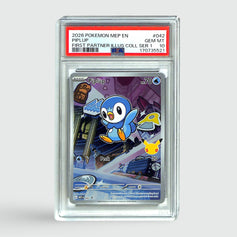
If a sleeve is a jacket, then a toploader is a bulletproof vest. A toploader is a hard, plastic protective case that you slide a card (that is already in a sleeve) into from the top.
- Why use one? A toploader provides a sturdy, rigid structure. This makes it impossible for the card to bend or dent, even if you accidentally drop it or send it through the mail.
- The golden rule: Never put a loose card directly into a toploader! The hard plastic can actually damage the edges of an unprotected card. Always use the combination: first in a soft sleeve, then in the hard toploader.
3. Binders: The King of Organization
Do you have complete sets that you want to keep neatly numbered, or do you want to easily show your loose cards to friends? Then a binder is the best choice.
- Quality is key: Cheap binders with metal rings can damage your cards when you close the binder. Therefore, always choose a binder with fixed, sewn-in pages (ringless binders).
- Side-loading binders: Modern, high-quality binders have pockets that you fill from the side (side-loading) instead of the top. This prevents cards from accidentally falling out when you hold the binder upside down.
The Ultimate Protection Strategy per Card Type
| Card Type | Best Protection | Purpose |
|---|---|---|
| Bulk / Commons | None or loose in an Elite Trainer Box (ETB) | Cheap storage for common cards. |
| Rares & Holos | Sleeve + In a side-loading binder | Neatly sort, view, and protect against dust. |
| Ultra Rares / Secret Rares | Sleeve + Hard Toploader | Maximum protection against bending and severe damage. |
Keep Your Collection in Top Condition at PRYME
At PRYME TRADING CARDS, we don't just sell the hottest packs, we also help you secure your investment. We have a strict selection of only the very best accessories on the market.
Protect your legendary pulls immediately with our crystal clear Ultra Pro Toploaders, keep your play decks in top shape with the trusted Ultra Pro Card Sleeves, or give your favorite Eeveelutions a beautiful home in our luxurious, tricolor Pokémon Binders.


